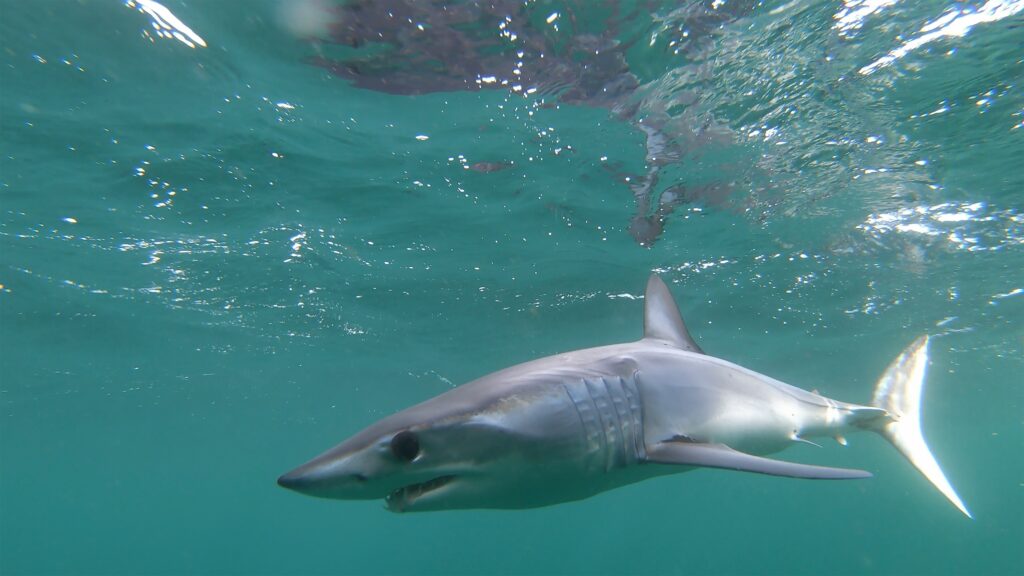
The Shortfin Mako Shark
Isurus oxyrinchus
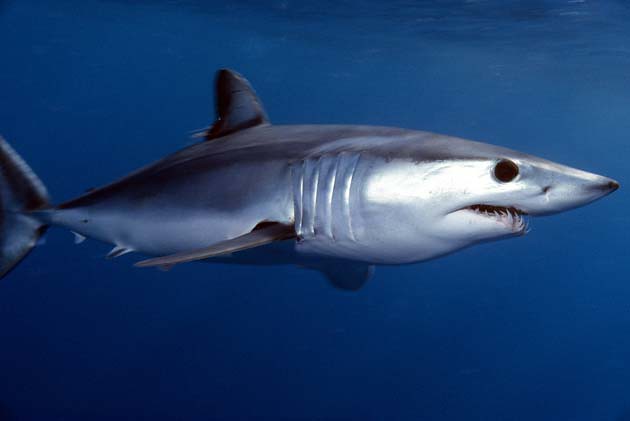
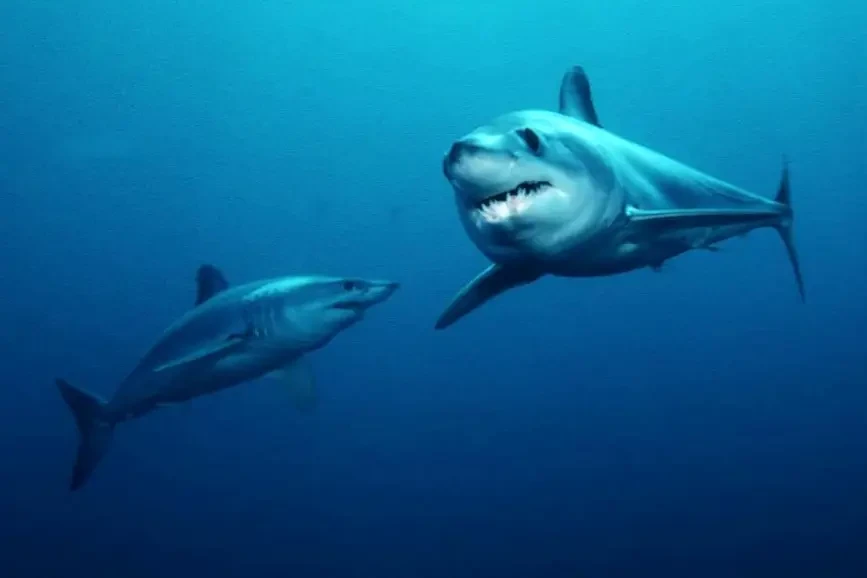
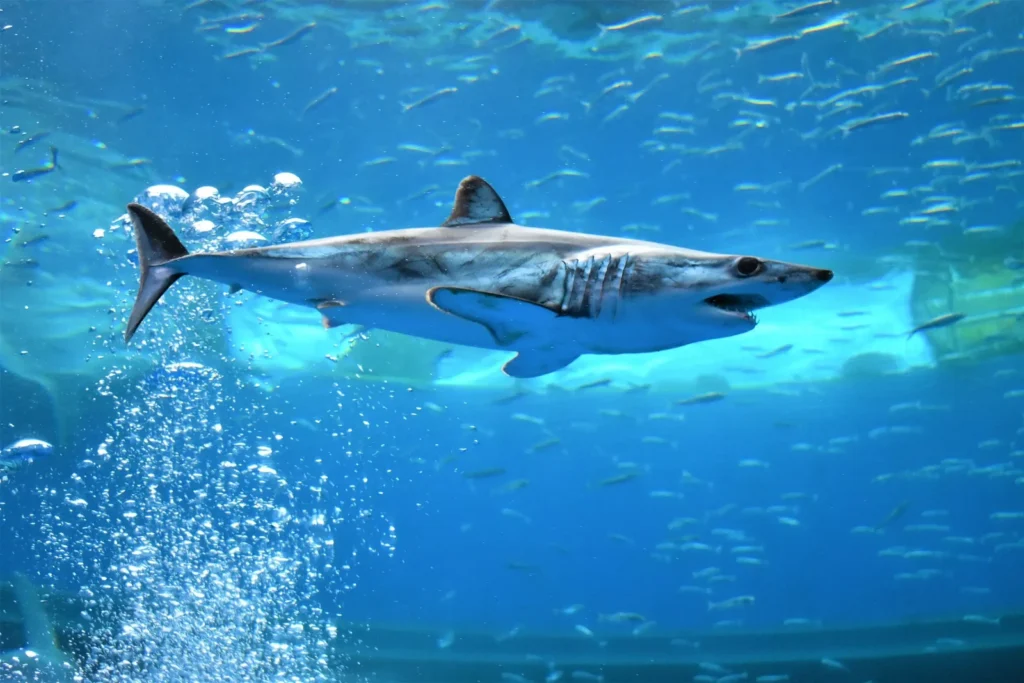
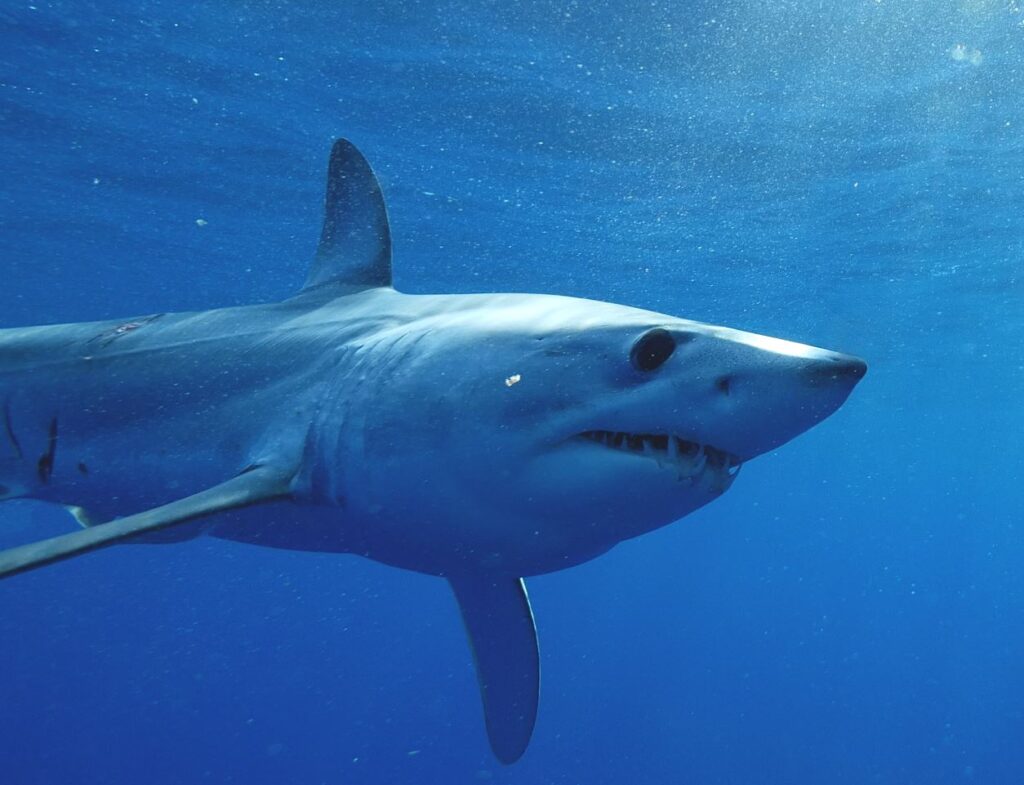
A cousin of the Great White Shark, the Shortfin Mako Shark is widely regarded as one of the fastest, if not the fastest, shark species in the world. They are distributed around the world in warm and temperate seas and are commonly found in the open ocean closer to the surface of the water and at depths of 500 ft deep. Shortfin Makos are the more common of two extant species of mako shark, the other being the more elusive Longfin Mako Shark. Adapted for a fast and active lifestyle, they have long, pointed snouts, large crescent shaped caudal fins, and a streamlined slender body. They also have relatively large gill slits for maximum oxygen intake to aid in its active lifestyle.
The body of a Mako Shark is also adapted for maintaining their body temperature at 12 to 18 degrees Fahrenheit above the ambient water temperature. All of these factors combine to make these sharks one of the fastest and most efficient predators in the ocean. Their impressive evolutionary advantages have allowed them to reach speeds of 31 mph and even up to 40 mph in short bursts. They are also capable of leaping up to 20 feet out of the water and into the air, an astonishing trait that makes them quite popular among premier fishermen.
Due to their speed, Shortfin Makos are capable of hunting various types of prey. They will primarily hunt various species of fish such as bluefish, tuna, mackerel, cod, bass, and even other species of shark; they are also one of the few known predators of swordfish. Furthermore, these sharks are also known to hunt squids, sea turtles, and dolphins.
Shortfin Makos will travel large distances across the open ocean in search of mates and food, with one individual traveling up to 1,700 miles from California to Japan. These sharks can grow to be quite large, growing up to 13 ft in length but are usually closer to 8 ft in length. They have litters of up to 8 to 10 pups with a gestation period of up to 4 to 8 months. Unfortunately, overfishing has heavily impacted Shortfin Mako populations and has left them exceptionally vulnerable in the North Atlantic.